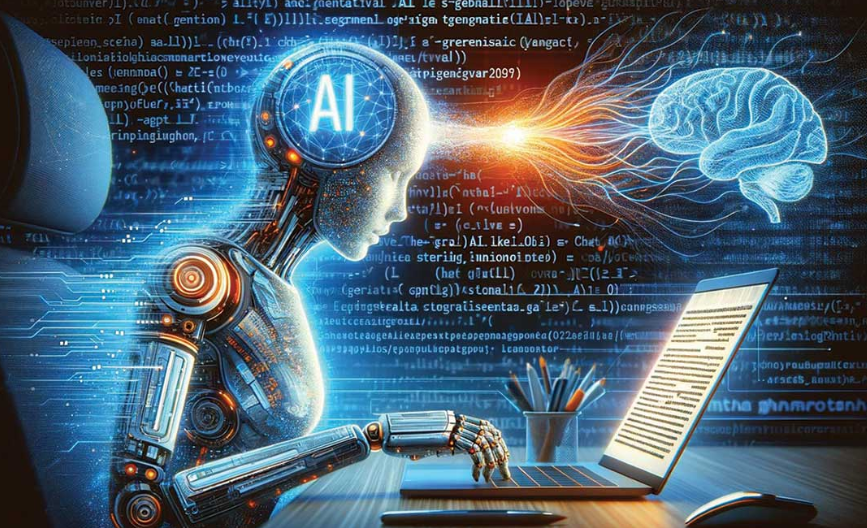

Artificial intelligence is fundamentally reshaping the future of work. Organizations are increasingly adopting intelligent automation to enhance efficiency and collaboration. This shift not only streamlines workflows but also fosters a new era of data-driven decision-making. However, the integration of AI raises pressing ethical questions about workforce displacement and necessary skills development. As businesses navigate this complex landscape, the balance between innovation and job security becomes critical. What strategies will emerge to address these challenges?
The Rise of Intelligent Automation
As industries increasingly embrace technological advancements, the rise of intelligent automation has become a transformative force in the workplace.
However, AI integration challenges pose significant hurdles, as organizations grapple with adapting existing systems.
Moreover, workforce displacement concerns have emerged, prompting discussions about the ethical implications of automation.
Balancing innovation with the need for human employment remains a critical consideration in this evolving landscape.
Enhancing Collaboration and Communication
The integration of intelligent automation not only reshapes job roles but also enhances collaboration and communication within organizations.
AI tools facilitate virtual teamwork by streamlining workflows, enabling real-time feedback, and breaking down geographical barriers. This fosters a more dynamic work environment, allowing teams to connect and innovate freely, ultimately leading to improved productivity and a more engaged workforce in the modern workplace.
See also: Green Technology: Innovations Driving a Sustainable Future
Data-Driven Decision Making
While many organizations have relied on intuition and experience for decision-making, the rise of data-driven approaches is fundamentally transforming this process.
Predictive analytics empowers leaders to forecast outcomes with greater accuracy, while decision optimization algorithms streamline complex choices.
This shift not only enhances efficiency but also fosters a culture of informed freedom, where data drives strategic initiatives rather than mere speculation.
Preparing the Workforce for an AI-Driven Future
A significant transformation is underway in the workforce as organizations prepare for an AI-driven future.
Essential to this evolution is skills development, which empowers individuals to thrive alongside intelligent systems. By prioritizing workforce adaptability, companies foster an environment where employees can embrace change rather than resist it.
This proactive approach not only enhances productivity but also nurtures a culture of continuous learning and innovation.
Conclusion
As the sun sets on traditional work paradigms, a new dawn emerges, illuminated by the promise of artificial intelligence. This technological revolution paints a vibrant landscape of enhanced collaboration, streamlined processes, and informed decision-making. Yet, amidst the blooming opportunities lies a shadow of ethical dilemmas and workforce challenges. To navigate this evolving terrain, organizations must embrace continuous learning and innovation, ensuring that the workforce is not left behind but instead thrives in this dynamic, AI-enhanced future.


 By
By


 By
By